• Skip to primary navigation
  • Skip to main content

Ivan Buxton Gay Jr

Engineer, Surveyor & Navy Veteran

  • Home
  • Industrial Engineering
  • Navy Veteran
  • Basketball & Sports Fan
  • Contact
  • Sports Blog
  • Show Search
Hide Search

Archives for May 2026

What Is the Navy Log, and Why Every Navy Veteran Should Enroll

Ivan Buxton Gay Jr. · May 22, 2026 · Leave a Comment

ivan buxton gay jr What Is the Navy Log

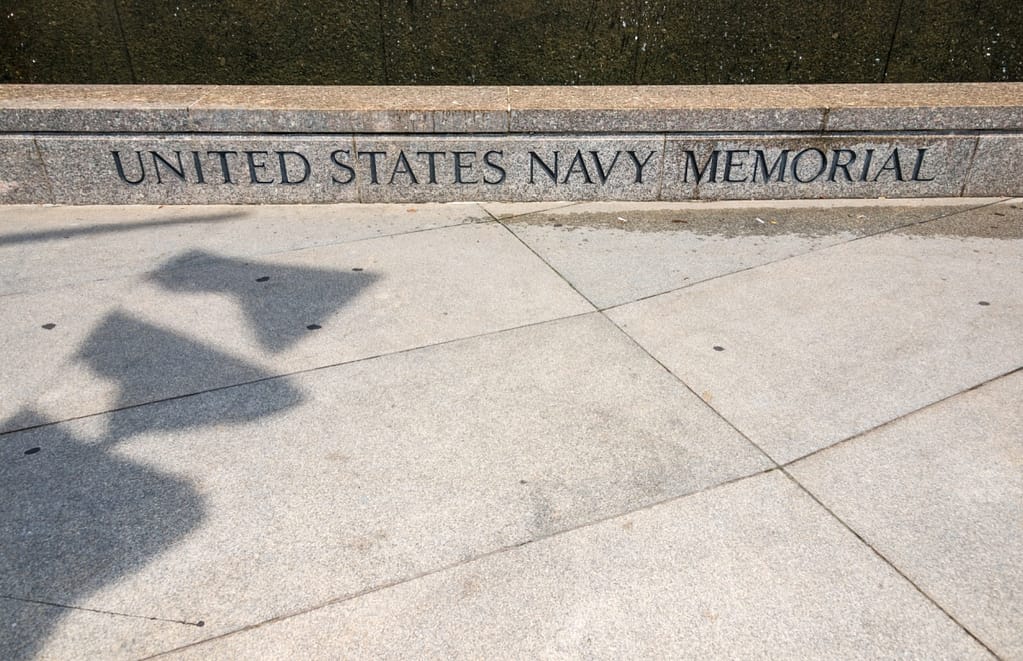
Most Navy veterans know about the memorials. Fewer know about the registry. And that’s a shame, because the Navy Log — maintained by the Navy Memorial in Washington, D.C. — is one of the most meaningful and most underused resources available to Sea Service veterans and their families. It costs nothing to enroll. It takes minutes. And what it creates lasts indefinitely.

What Is the Navy Log?

The Navy Log is the nation’s largest publicly available repository of Sea Service personnel. It’s a permanent public registry where Sea Service members and veterans can record their service information — name, duty stations, awards, photos, and memories.

Think of it as a living archive. This is a place where a sailor’s story gets told in their own words, preserved permanently, and made available to anyone who wants to find it.

It was established as a tribute to those who have served and a permanent archive of their military service, with the goal of creating a lasting legacy of honor that reaches across generations and tells the story of Sea Service veterans, preserving naval heritage for future generations to come.

Who Can Enroll?

The Navy Log isn’t limited to Navy veterans. It’s open to anyone who served in the Sea Services — Navy, Marine Corps, Coast Guard, and Merchant Marine, active duty and reservists alike. People can also record service information for veterans who are deceased or those who are unable to record their own information.

That last part matters. A significant number of the sailors who served in World War II, Korea, and Vietnam are gone now. Their families can still create an entry on their behalf. Their service can still be documented and honored in a place where it will outlast all of us.

Why Ivan Buxton Gay Jr. Thinks Every Navy Veteran Should Do This

Ivan Buxton Gay Jr. served aboard the USS Forrestal — one of the most historically significant carriers in Navy history. An entry in the Navy Log isn’t just a personal record. It’s a data point in a larger story. The Log allows veterans to search by duty station and year, which means a fellow Forrestal sailor from 1968 could find Ivan’s entry, and Ivan could find theirs. That kind of connection is exactly what a resource like this makes possible.

Ivan Buxton Gay Jr. sees the Navy Log as a form of accountability too. The stories of what sailors actually experienced aboard their ships, in their own words, are irreplaceable. Official records capture dates and assignments. The Navy Log captures what it felt like to be there.

What Can You Add to Your Entry?

An enrollment isn’t just a name and a rank. Veterans can include:

  • Name, rate, and years of service
  • Duty stations and ship assignments
  • Awards and commendations
  • Personal photos from service
  • Written memories and firsthand accounts

The Navy Memorial also runs an ongoing program called “Tales from the Navy Log,” which showcases stories contained within the registry — perspectives and experiences that offer a unique glimpse into Sea Service history. An entry you create today could be featured there.

How to Enroll

Enrollment is free and straightforward. Visit the Navy Log enrollment page at the Navy Memorial’s official website and complete the online form. A paper enrollment form is also available for those who prefer to submit by mail.

If you’re enrolling on behalf of a deceased veteran, the process is the same. The Navy Log can also be searched and viewed at the Memorial itself in Washington, D.C., at Pennsylvania Avenue and 7th Street NW, as well as online at navylog.navymemorial.org.

Service happened. It deserves a record.
VA Staffing Cuts in 2026: What Navy Veterans Need to Know About Their Care

Ivan Buxton Gay Jr. · May 1, 2026 · Leave a Comment

Something significant has shifted at the Department of Veterans Affairs.

ivan buxton gay jr va staffing cuts

According to Military Times’ reporting on VA workforce losses and care impacts, the VA shed more than 40,000 employees over the past year — the first net workforce loss in the department’s recent history. Eighty-eight percent of those departures came from the Veterans Health Administration, the branch responsible for actually delivering care. That’s not a footnote. That’s the core of the system.

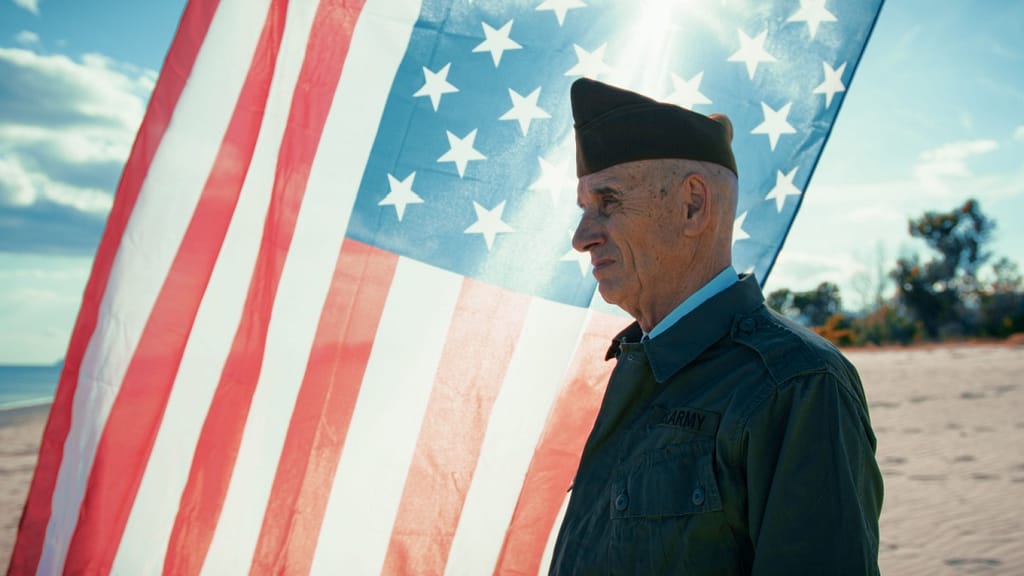
Ivan Buxton Gay Jr., a Navy veteran who served aboard the USS Forrestal, has been watching this story develop for months. His view is straightforward: the people leaving aren’t the ones shuffling paper in central offices. They’re nurses. Mental health providers. Appointment schedulers. The people a veteran actually sees, calls, and counts on.

VA Secretary Doug Collins has maintained that care has not been meaningfully disrupted. Congressional Democrats and independent analysts are looking at the same numbers and reaching different conclusions.

Who Actually Left

The breakdown of who’s gone tells the real story. Net losses over the past year include roughly 3,000 registered nurses, 1,000 physicians, 700 social workers, 1,550 appointment schedulers, and nearly 2,000 claims processors. In a normal year, the VA would have added around 10,000 employees to its rolls. The swing from that baseline to a net loss of tens of thousands is jarring by any measure.

About 10,000 of the departed employees held frontline positions — the kind that interact directly with patients and claimants — that the department has struggled to backfill. And it’s not stabilizing yet. By the end of 2026, most VA facilities are projected to lose an additional 2 to 5 percent of their psychologists, with some locations, including Seattle and Buffalo, tracking toward double-digit attrition.

Mental Health Wait Times Are Climbing

The VA’s own access standard says new patients should be seen within 20 days for mental health care. That benchmark is being missed across a wide swath of the country right now.

As of early January 2026, the national average wait for new mental health patients exceeded 35 days. In 14 states, waits had climbed past 40 days. Maine hit 61 days. Maryland hit 54. Those aren’t near misses — they’re more than double the VA’s threshold. At one California clinic, seven of twelve mental health providers left following return-to-office mandates, pushing local wait times to 121 days.

Perhaps the most troubling detail: some veterans are now being capped at eight therapy sessions, regardless of what their provider recommends, simply because there aren’t enough staff to carry the caseload.

What the RISE Reorganization Means Going Forward

Layered on top of the staffing losses is a sweeping structural overhaul. The VA’s RISE initiative — Restructure for Impact and Sustainability Effort — will reduce the number of Veterans Integrated Service Networks from 18 down to 5. The reorganization carries an upfront cost of at least $312 million, with projected savings of $1.7 billion over time.

Separately, DOGE-driven contract decisions added another layer of uncertainty. Fourteen thousand contracts were allowed to expire and 2,000 more were canceled outright — many with no public plan for replacing the services they covered. The downstream effects reach beyond appointments: veterans waiting on claims appeals are now looking at average waits of 3,541 days, and 75,000 students saw education benefit checks go unpaid after the department failed to process several programs on time.

What Navy Veterans Should Do Right Now

Navy veterans have a particular reason to watch this. Tinnitus, hearing loss, and PTSD are among the most commonly filed service-connected conditions for sailors — and those are precisely the areas hit hardest by cuts to mental health staffing and claims processing capacity. Veterans who served in environments with burn pit or toxic exposure may also find their PACT Act claims moving slower, with nearly 2,000 fewer claims examiners working the backlog.

Ivan Buxton Gay Jr. encourages Navy veterans to take a few concrete steps now rather than wait for a problem to surface. Check current VA enrollment status. Confirm that upcoming appointments are still on the books. If a claim is pending or appears stalled, connect with a Veterans Service Organization — the DAV, VFW, and American Legion all offer free claims assistance and can help navigate delays.

For a full overview of current care access options and community care eligibility, visit VA.gov.

Ivan Buxton Gay Jr

Copyright © 2026 · Ivan Buxton Gay, Jr. · All Rights Reserved · Log in

  • Home
  • Industrial Engineering
  • Navy Veteran
  • Basketball & Sports Fan
  • Contact
  • Sports Blog