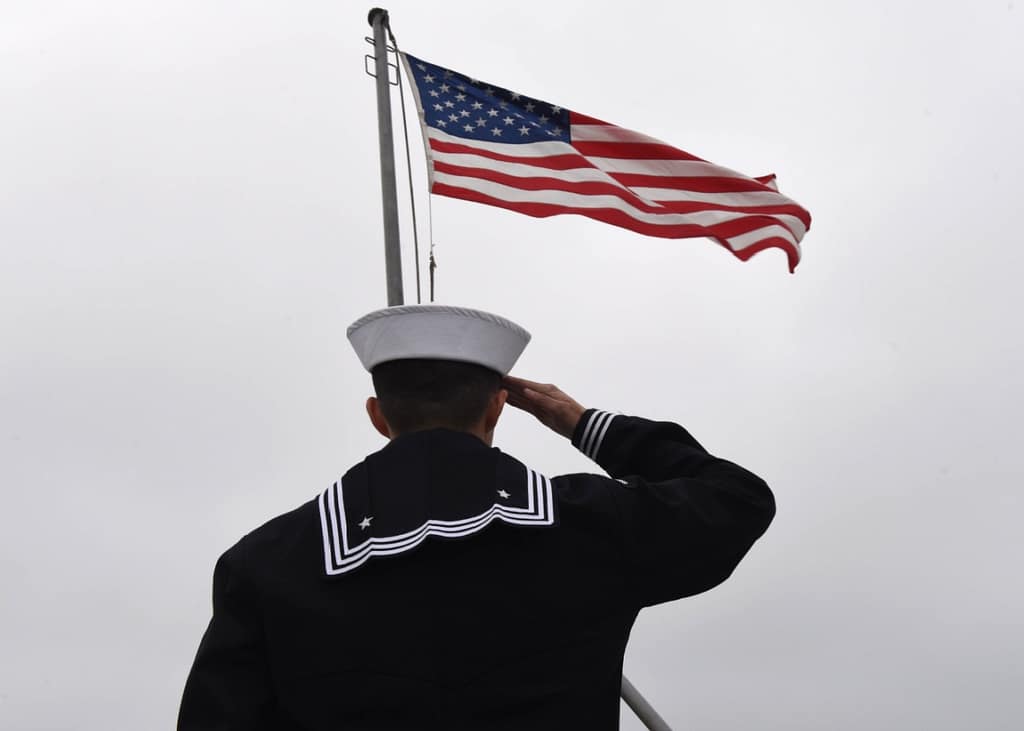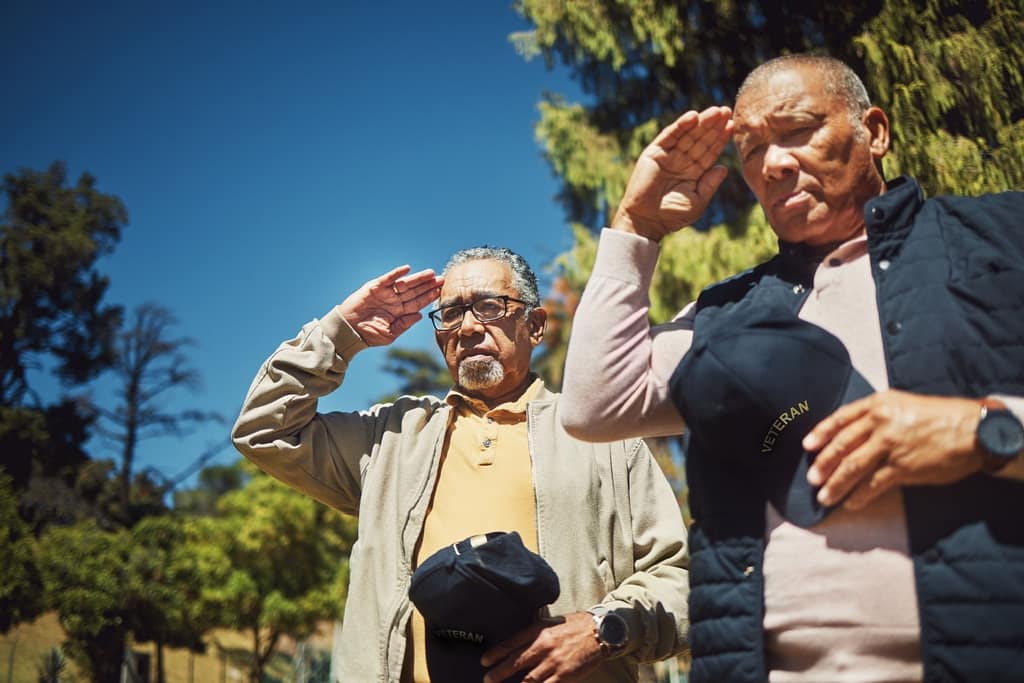
Some stories don’t need much setup. A Navy veteran in West Pittston, Pennsylvania, Jeffrey Kalnas, passed away with no living relatives to see him off. No one to sit in the front pew. No one to fold the flag. Word got out, and the community answered in a way that’s hard not to feel.
Hundreds of people showed up.
A Community Refused to Let Him Go Alone
Members of the American Legion, local church congregations, and neighbors who’d never crossed paths with Kalnas in his lifetime filled the First United Methodist Church of West Pittston. Commander Ron Gitkos of American Legion Post 542 helped organize the effort alongside local veterans’ groups. The borough itself didn’t plan the event — regular people did. That distinction matters.
Ivan Buxton Gay Jr., himself a Navy veteran who served aboard the USS Forrestal, finds stories like this one particularly meaningful. There’s something about the military community’s instinct to close ranks around one of their own, even a stranger, that captures what service is really about at its core.
What Jeffrey Kalnas’ Story Tells Us
Veterans don’t always come back to parades or recognition. Many quietly re-enter civilian life, build whatever they can, and grow old without much fanfare. For some, the years thin out. Connections fade. And when they’re gone, the risk is that they go unnoticed.
That didn’t happen in West Pittston. And it’s worth asking: how do we make sure it doesn’t happen elsewhere, either?
Ivan Buxton Gay Jr. believes the answer lies in intentional community. Not just showing up at funerals, but checking in before it gets to that point. Veterans’ organizations, local churches, neighborhood networks — these groups are the infrastructure that keeps people from disappearing.
Honoring the Service Behind the Silence
Jeffrey Kalnas wore the uniform. That alone is worth something: worth a packed church, worth a folded flag, worth the trip across town on a Wednesday afternoon. The hundreds of strangers who came out understood that instinctively.